
Publishing date:27 october 2021
Categories:Fiction
Synopsis:
A brutal parable about a police state marked by the censorship of words and the tyranny of images.
A haunting fable that explores the totalitarian system of visual technology that rules nowadays.
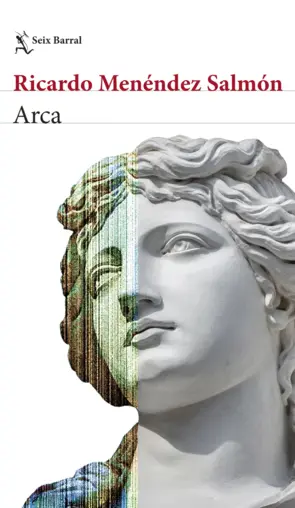
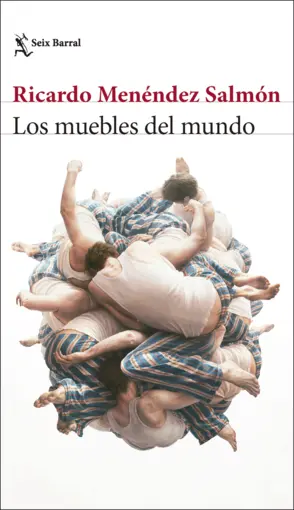
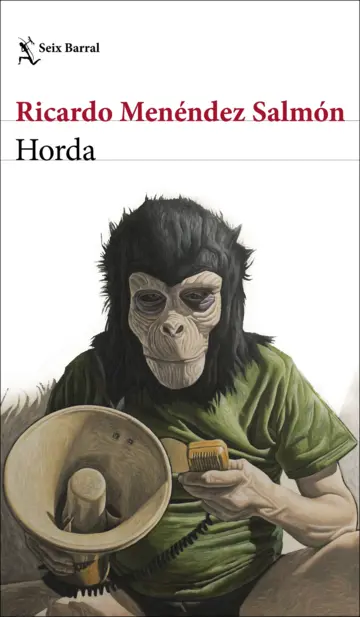
In a world where words have been perverted until they’ve lost their meaning, children have taken power and have instituted silence as a law. Along with this, they have created a religion of the image, encoded in a gigantic device that endlessly emits visual stimuli. Any verbal or written communication is persecuted. In this deaf and mute reality, someone called HIM (in this fable, there are no proper names) tries to find the meaning in existence with three singular companions: a book, a monkey, and laughter.
In this novel, Ricardo Menéndez Salmón focuses on the great themes that have marked his work through the years, such as the loss of meaning in collective discourse, the death of the word, the legacy we leave to those who outlive us, and the way technology transforms us into another species of human beings. Intense, stimulating, and impeccably written, Horde is a parable that aspires to convey a moral lesson.
International Editions

Italy

France
Technical Data
| Technical data | Publish date: 27 october 2021 ISBN: 978-84-322-3923-6 Pages: 128 Imprint: Seix Barral |
|---|---|
| Rights sold | Éditions Do (France), Marotta & Cafiero (Italy). |
| Reviews | “Beneath a style of distant coldness flows a story that moves and awe. This story of visionary imagery and apocalyptic assumptions invites us to reflect on a future that may have already begun.” “Ricardo Menéndez Salmón draws a dystopian world in that the prohibition of the use of language and its substitution by images entails the extermination of joy and laughter.” “Ricardo Menéndez Salmón has done it again: fulfill the only and true commitment of the writer: ask us questions, sow concerns among us.” “Ricardo Menéndez Salmón explores the limits of art in a clever and poetic way. An author that deserves to be discovered.” |